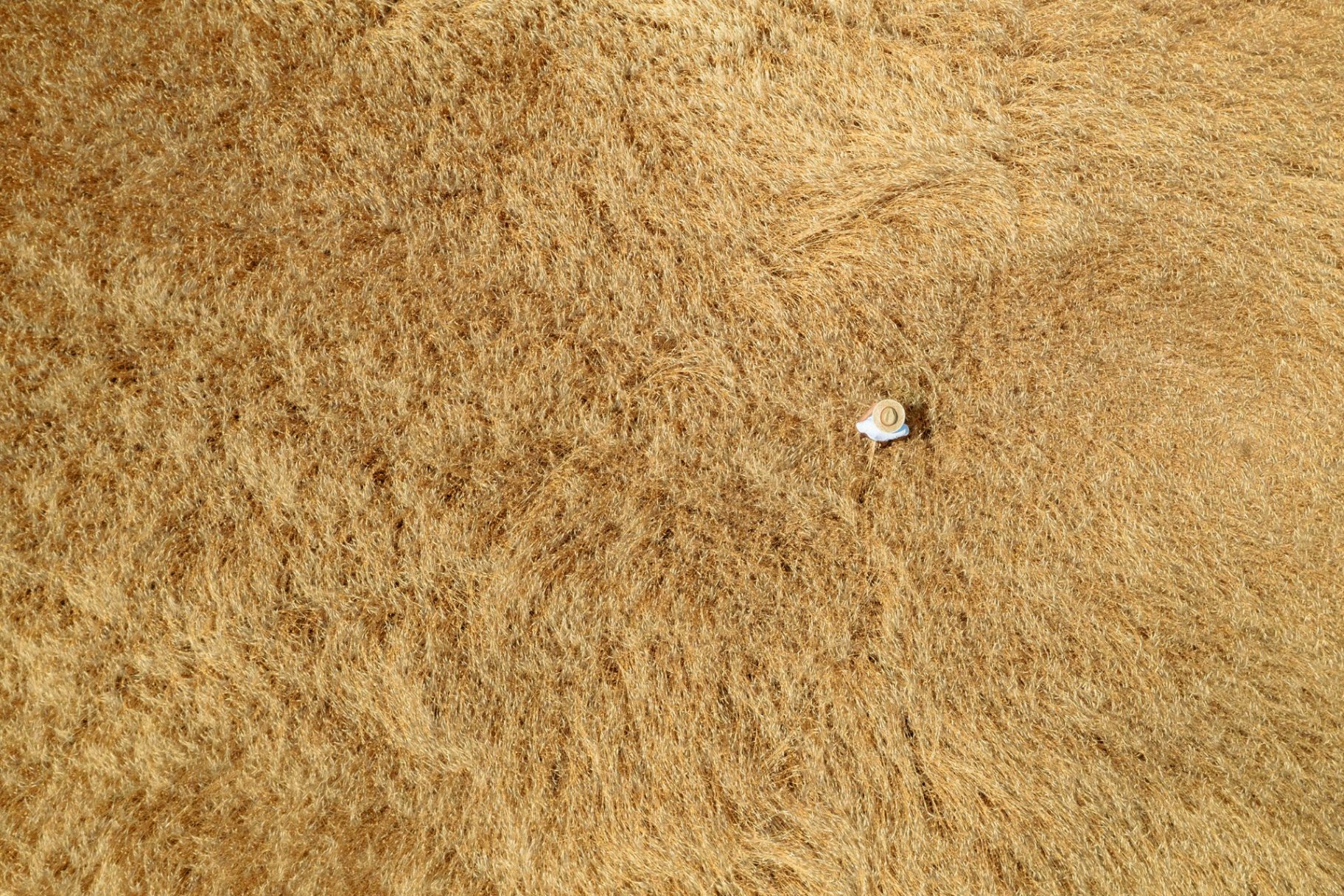
Our Fields
I Campi del Mulino
Mulino Fields
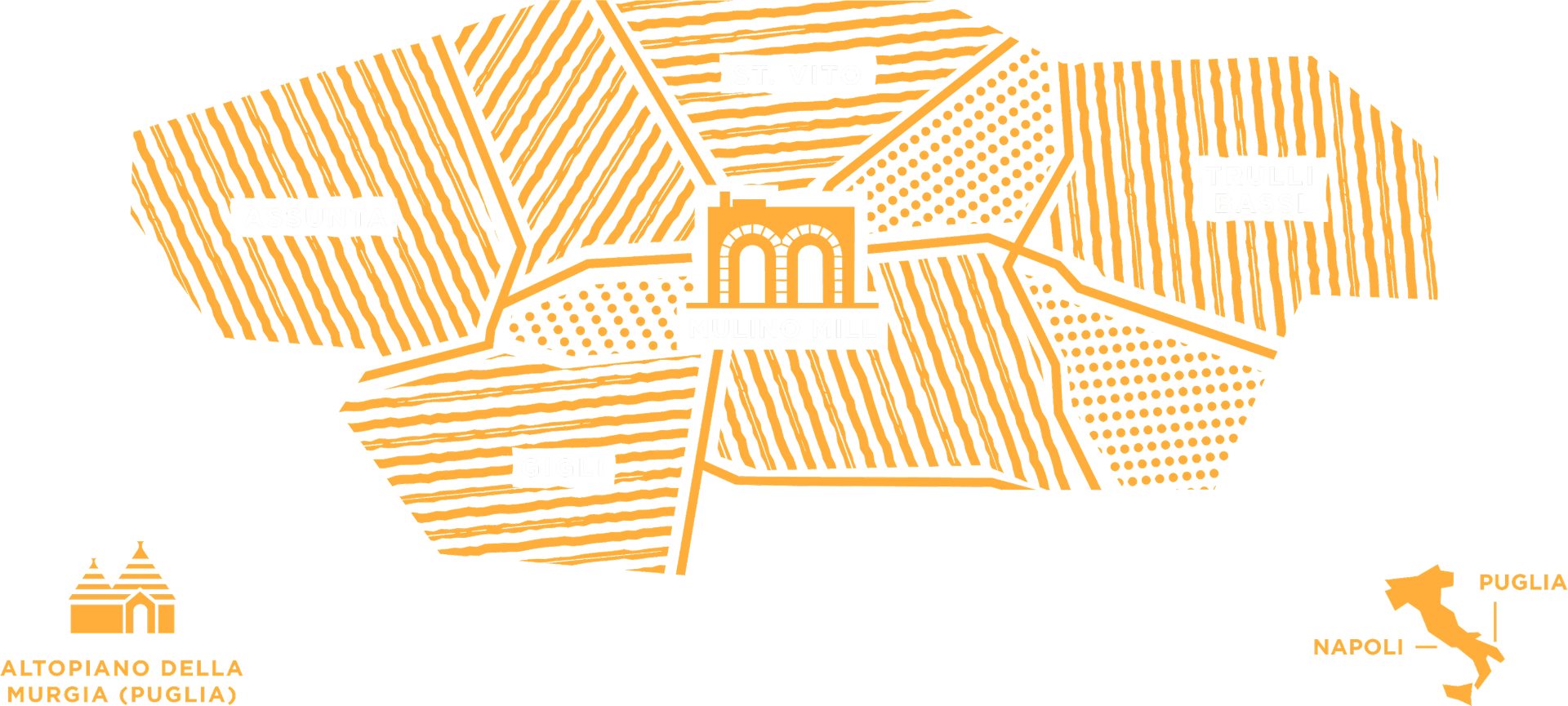
Our fields are located in the natural reserve of
"Altopiano della Murgia" in Puglia, in the south of Italy.
Our Terroir
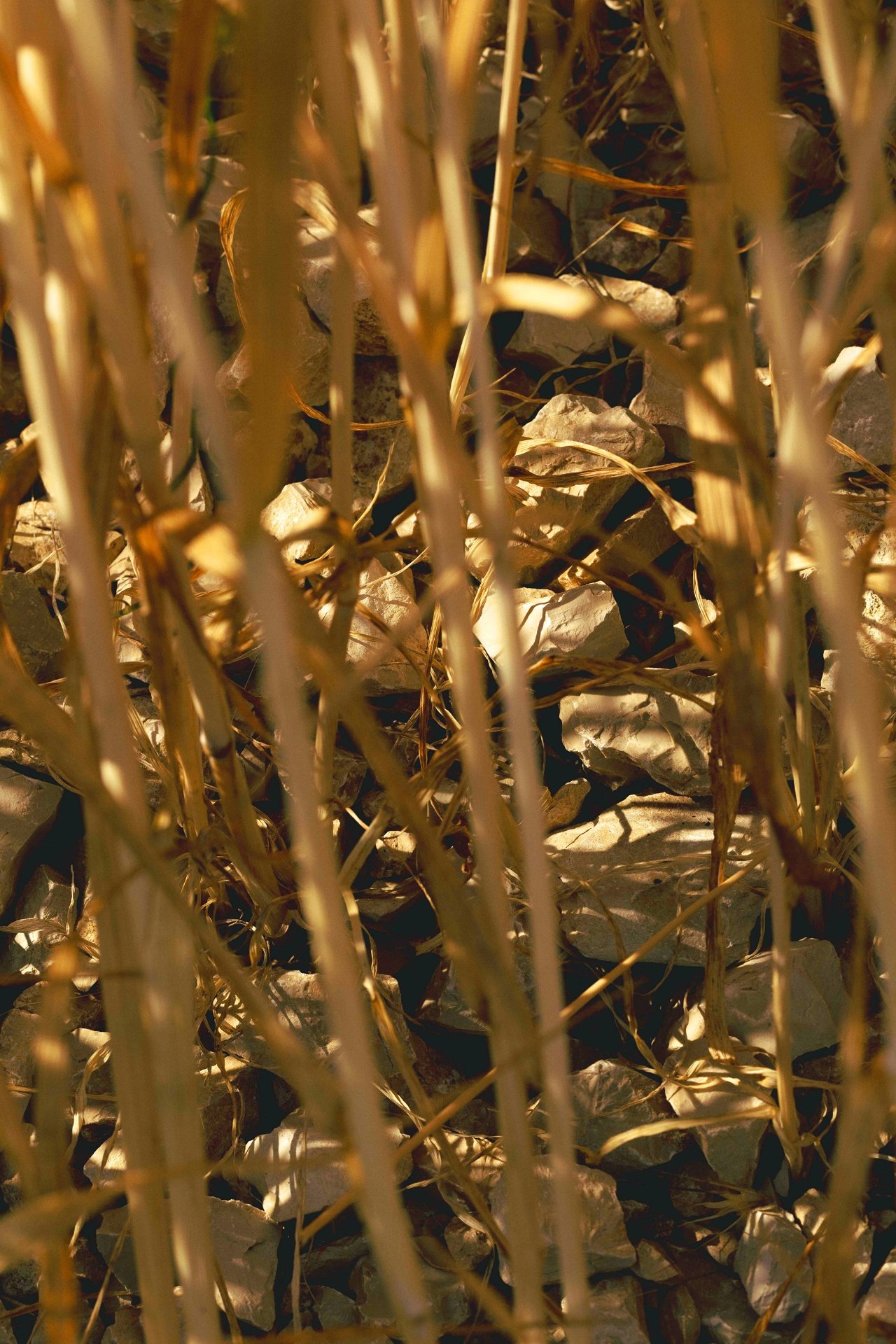
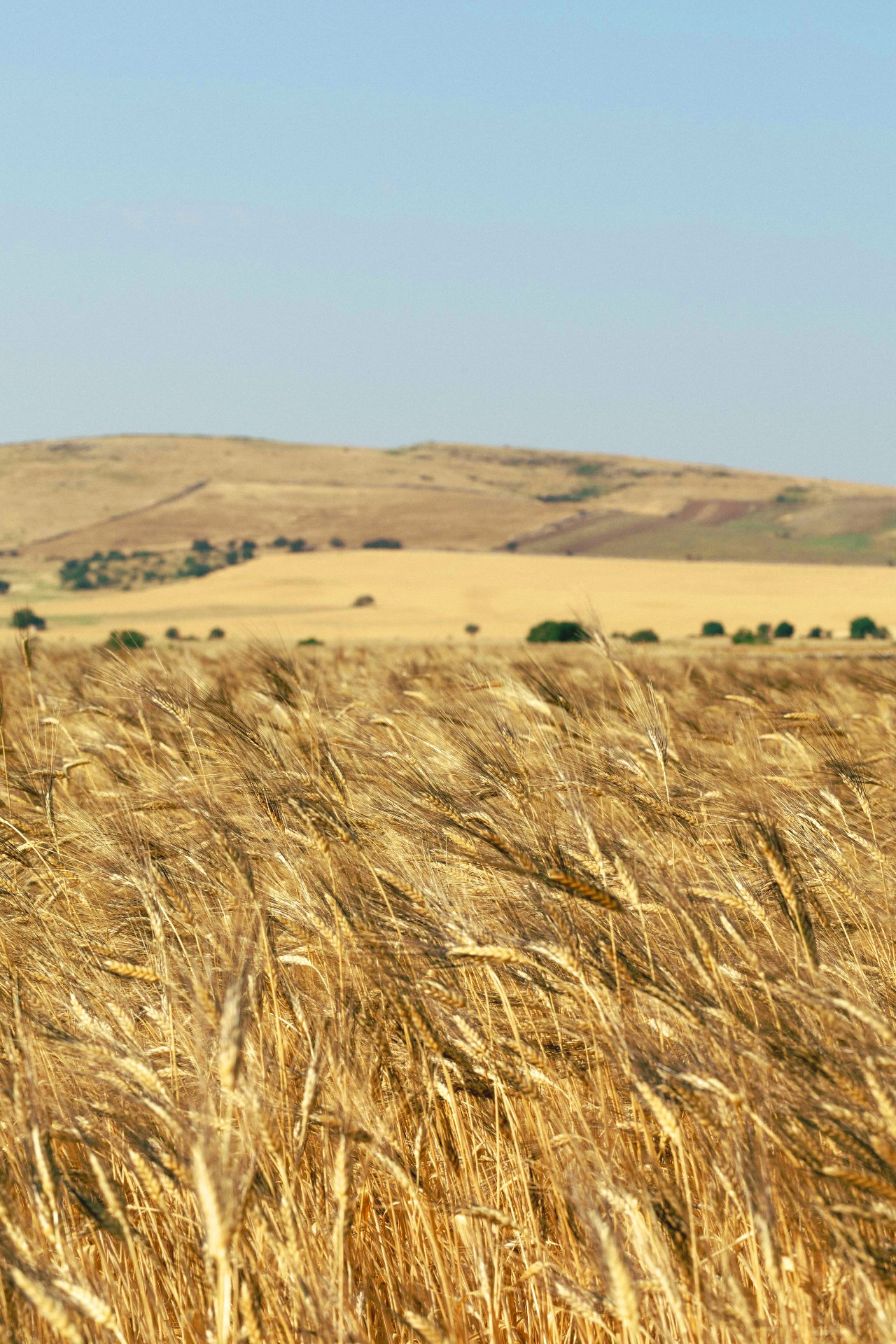
Our wheat grows on gentle hills of limestone and clay, unusual terrain for wheat farming, but key to our pasta's rich taste, aroma, and nutrients. Yields are lower, as the soil is hard, but the quality is unmatched.
ALWAYS ORGANIC, NO SHORTCUTS
For us, farming means always organic. No shortcuts, no compromise, just healthy soil and honest work. So naturally, our pasta is organic too. It's how it began, and how it continues today.
Crop Cycle
We rotate wheat with crops such as lentils and chickpeas to naturally restore soil fertility, reduce the need for synthetic fertilisers, and break pest and disease cycles that build up when the same crop is grown repeatedly on the same land — a practice that makes our farming more sustainable.
YEAR 1
DURUM WHEAT

SOIL
YEAR 2
SOIL-REGENERATING PLANTS
YEAR 4
SOIL-REGENERATING PLANTS
YEAR 3
DURUM WHEAT
The Harvest
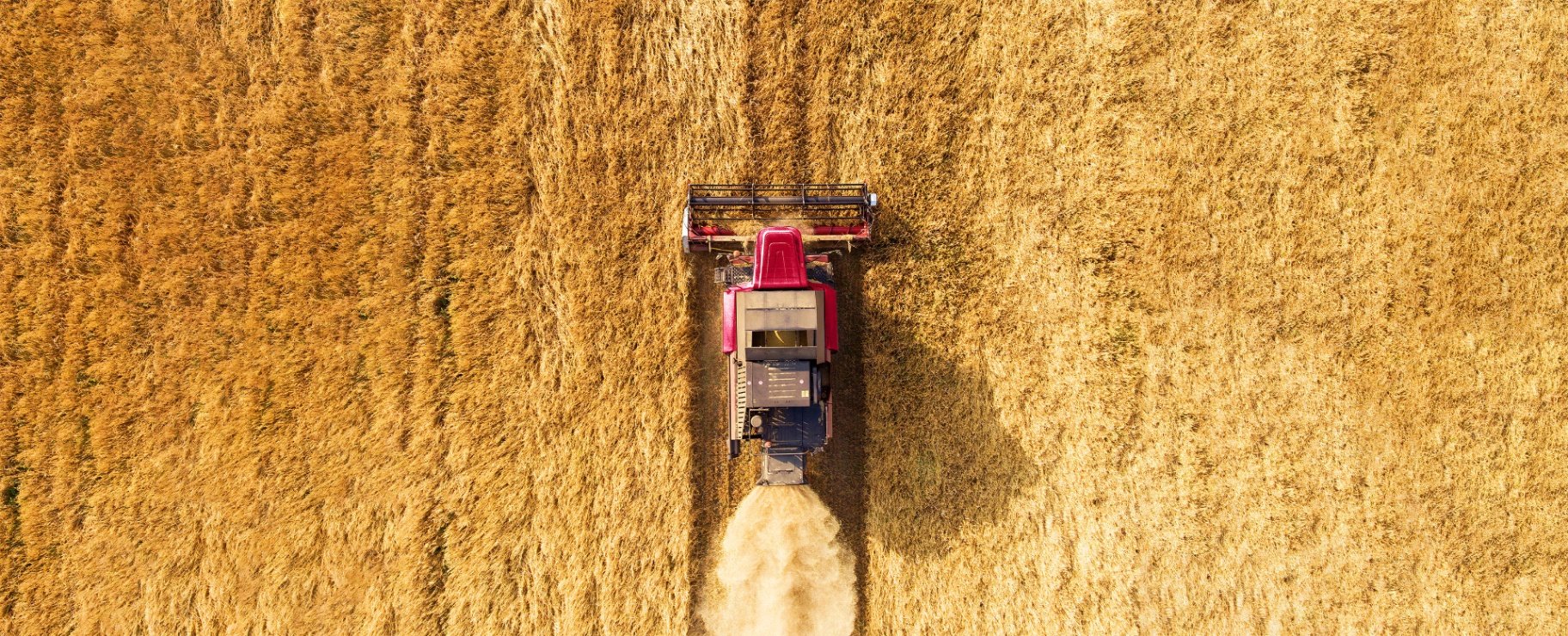
Harvest takes place between late June and mid-July, when the wheat turns golden and reaches perfect maturity. For us, it’s far more than a seasonal task, it’s a deep-rooted cultural ritual.
It marks the moment we gather the results of a year’s dedication, and once the work is done, the masseria comes alive with a true folk celebration. Whether the harvest is generous or modest, the feast is always an act of gratitude to Mother Earth, honoring the cycle that sustains us.
"Those who plant wheat sow justice"
LUIGI — THE FIELDS LAWYER