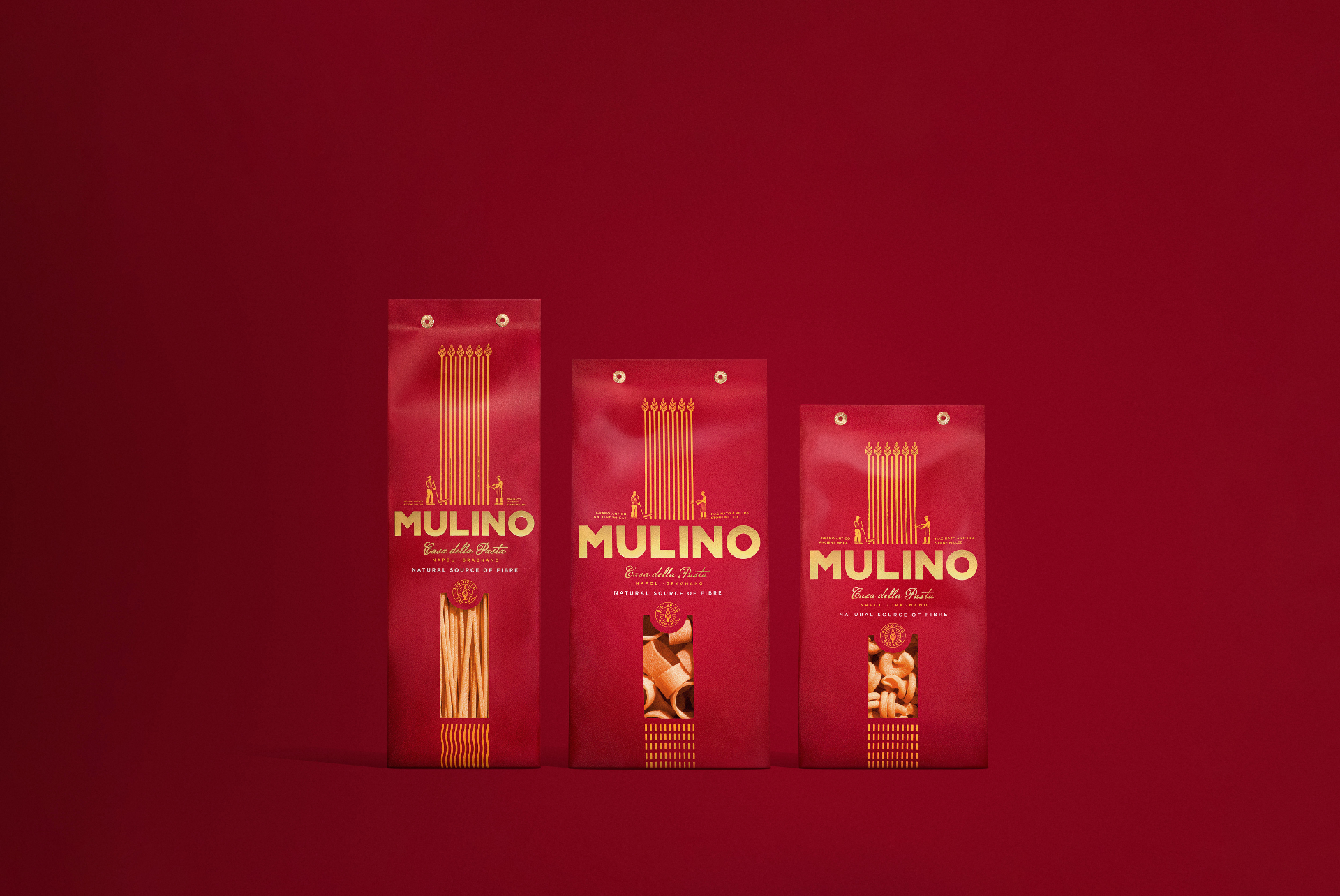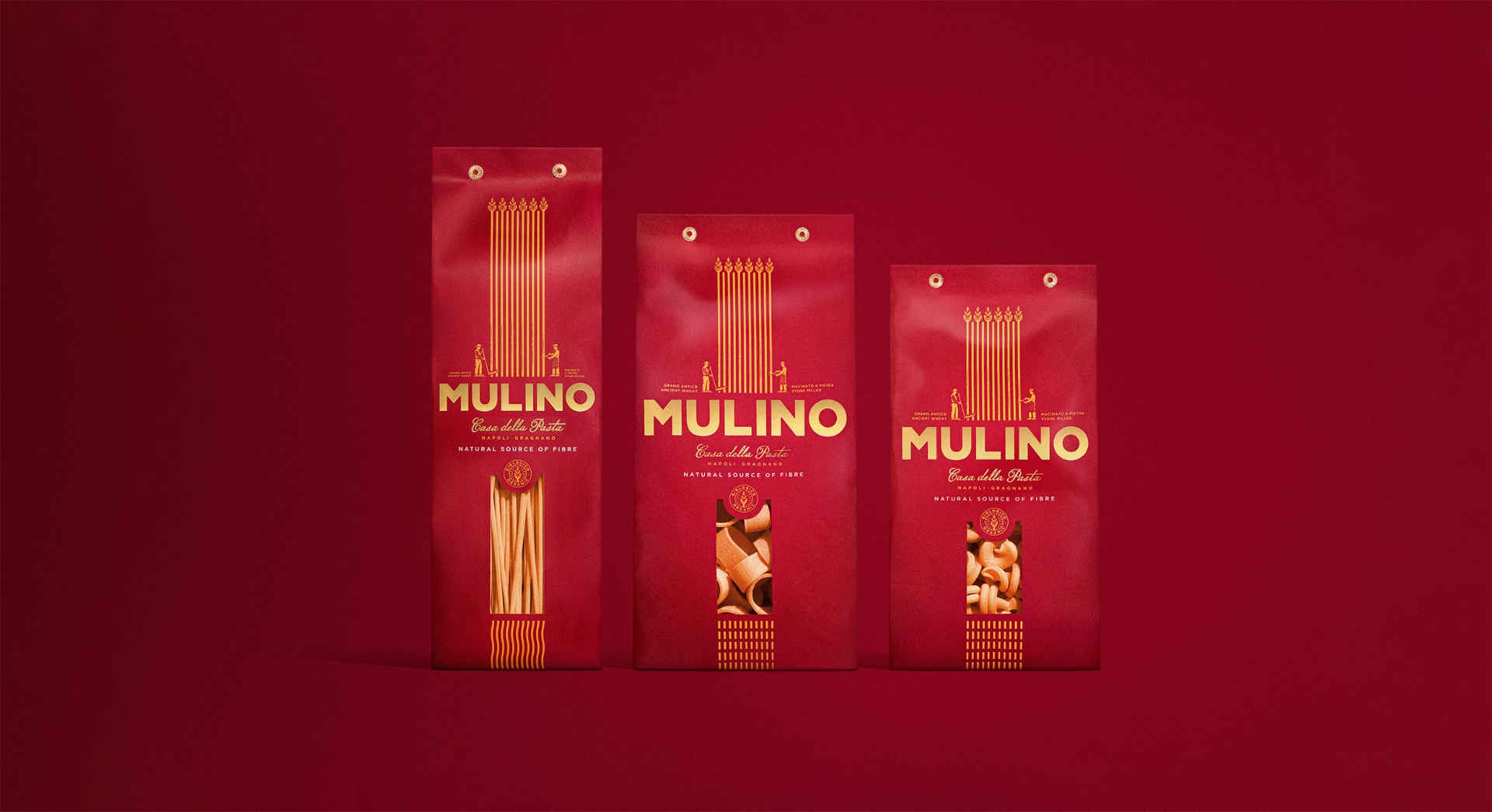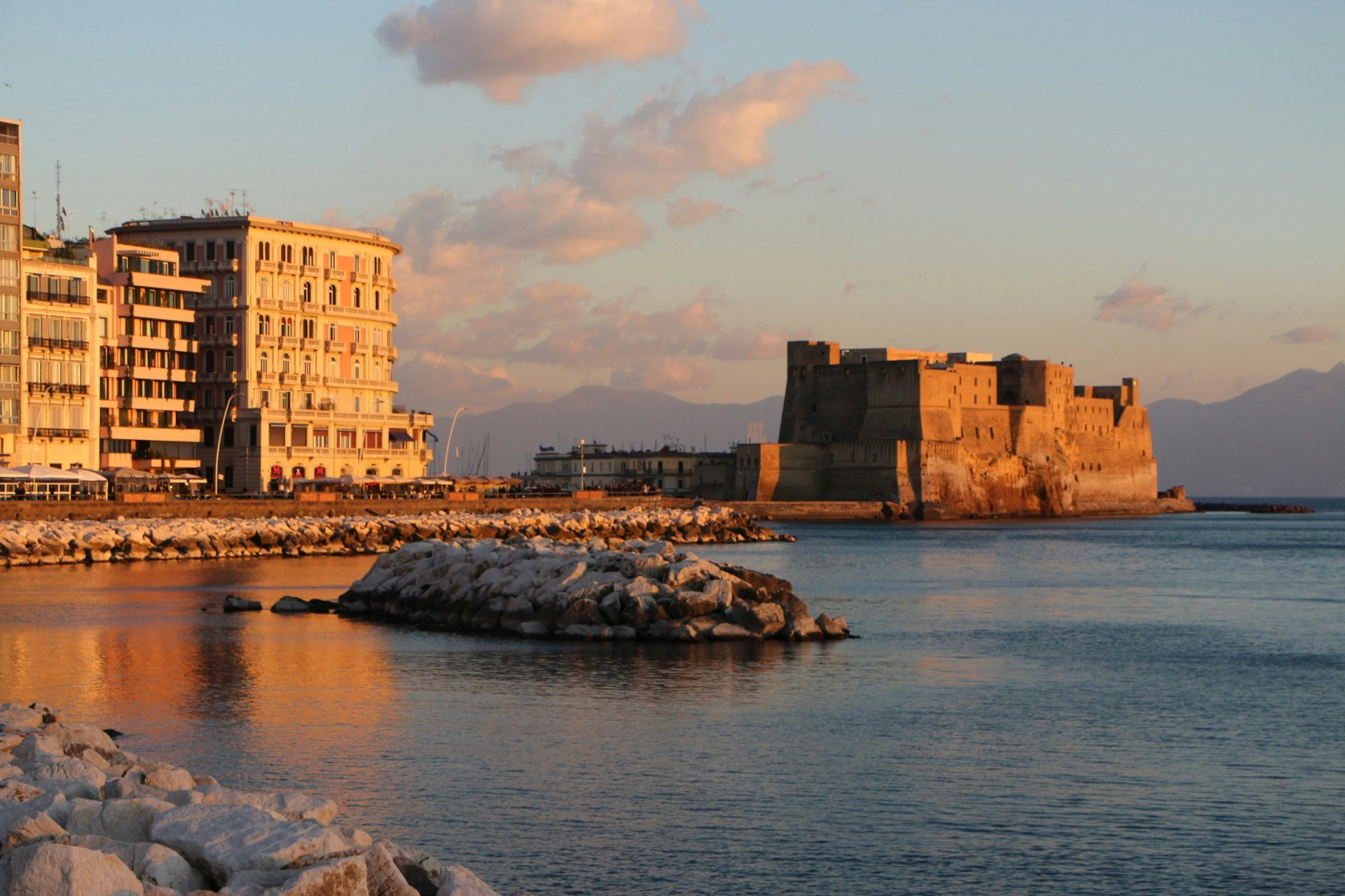
Casa della Pasta — Napoli · Gragnano

THE HOME OF PASTA
13TH CENTURY
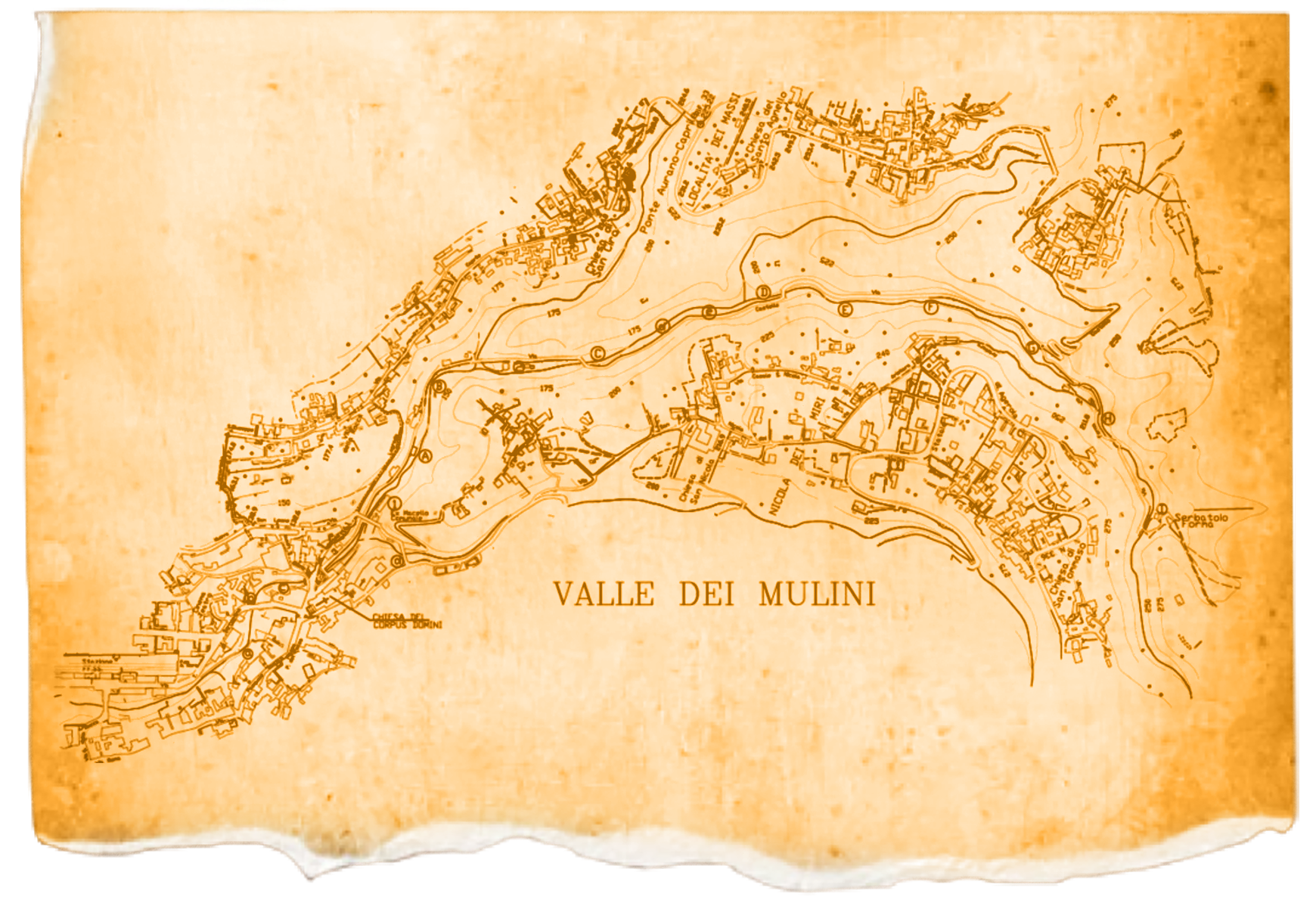
The “Valle dei Mulini” (Mills Valley) in Gragnano becomes a key milling hub, harnessing the region’s natural water sources to power grain mills.
14TH CENTURY
The first historical records of pasta production in Gragnano emerge, indicating a deep-rooted tradition.

17TH CENTURY
The city of Gragnano becomes known for its ideal pasta-making conditions, including pure spring water and a climate perfect for drying.
1845
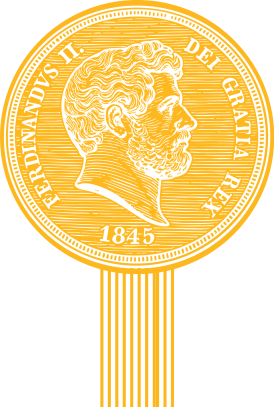
The King of Naples, Ferdinand II of Bourbon, officially grants Gragnano’s pasta makers a royal privilege, officially recognising their superior craftsmanship.
LATE 19TH — EARLY 20TH CENTURY
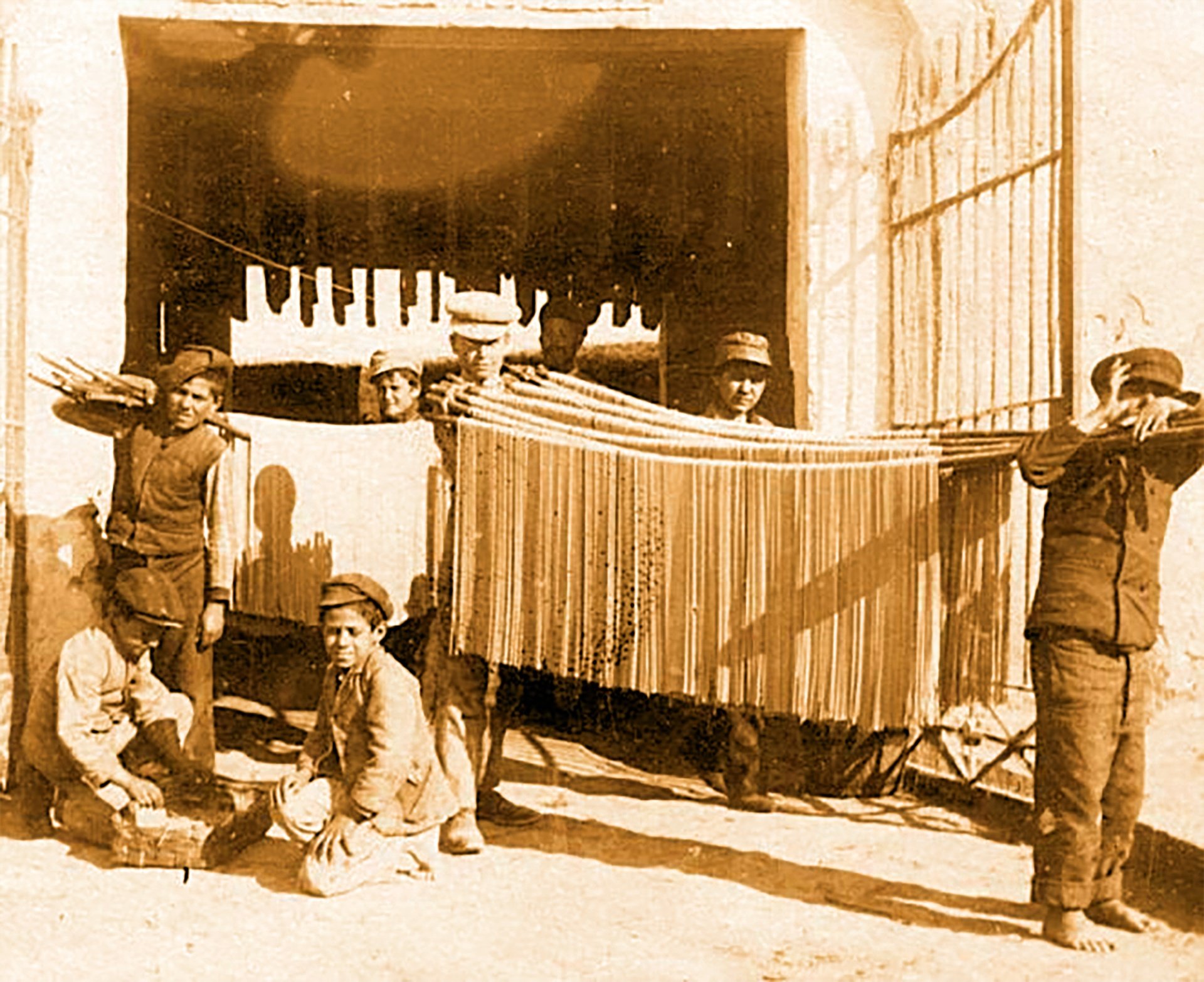
The Industrial Revolution brings technological advancements to pasta production, while Gragnano maintains its artisanal traditions.
20TH CENTURY
Pasta di Gragnano is exported worldwide, renowned as a symbol of Italian excellence.
2013
The “Pasta di Gragnano” designation is awarded
Protected Geographical Indication (PGI) status by the European Union, ensuring authenticity and traditional production methods.
TODAY
Mulino pasta takes the artisanal heritage of Gragnano and brings it further.
From field to mill, to pasta. From ancient grains to sustainable farming, to stone milling.
By taking care of every step ourselves, we bring to life something new — a pasta where health and flavour come together like never before.
TODAY
Mulino pasta takes the artisanal heritage of Gragnano and brings it further.
From field to mill, to pasta. From ancient grains to sustainable farming, to stone milling.
By taking care of every step ourselves, we bring to life something new — a pasta where health and flavour come together like never before.