Our Wheat
ORIGINS
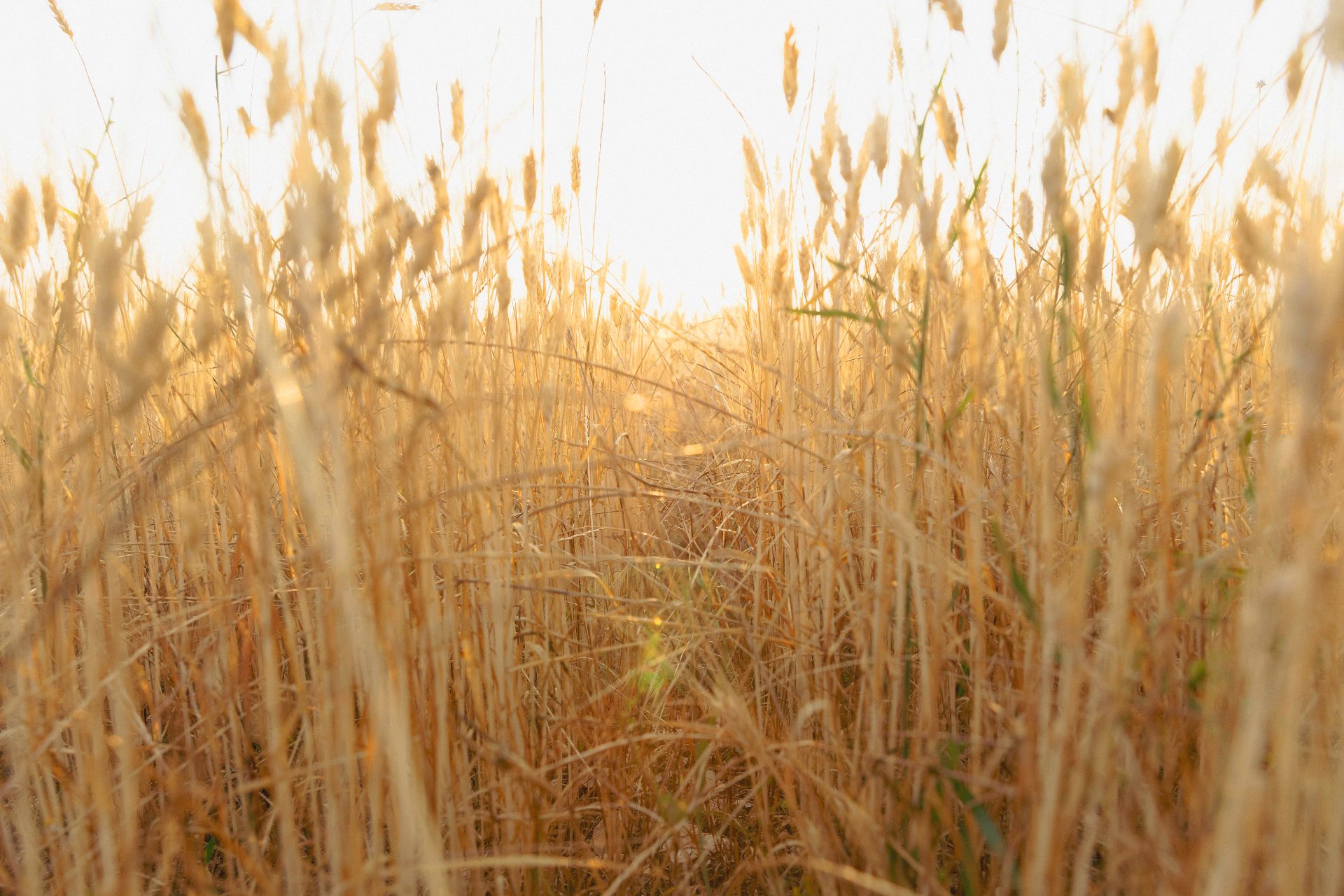
Ancient wheat refers to original, time-honored wheat varieties that have remained unchanged for centuries. Unlike modern wheat, they have not undergone genetic alteration through breeding or hybridization. These grains naturally thrive in harmony with their environment, requiring minimal human intervention. However, to maintain this delicate balance, they are highly terroir-specific, requiring soils that meet their unique nutritional needs.
Modern wheat varieties were developed to enhance production scalability and reduce exposure to external risks. In the early 1900s, short-statured plants with a life cycle of just 4-5 months were introduced, replacing the traditional 9-month cycle. These plants are sown between late February and March instead of November, allowing them to skip the risky winter season by the time they emerge from the soil. However, while this reduces crop yield risks, it also harms wheat quality by limiting exposure to beneficial rainfall.
PLANT & ROOTS
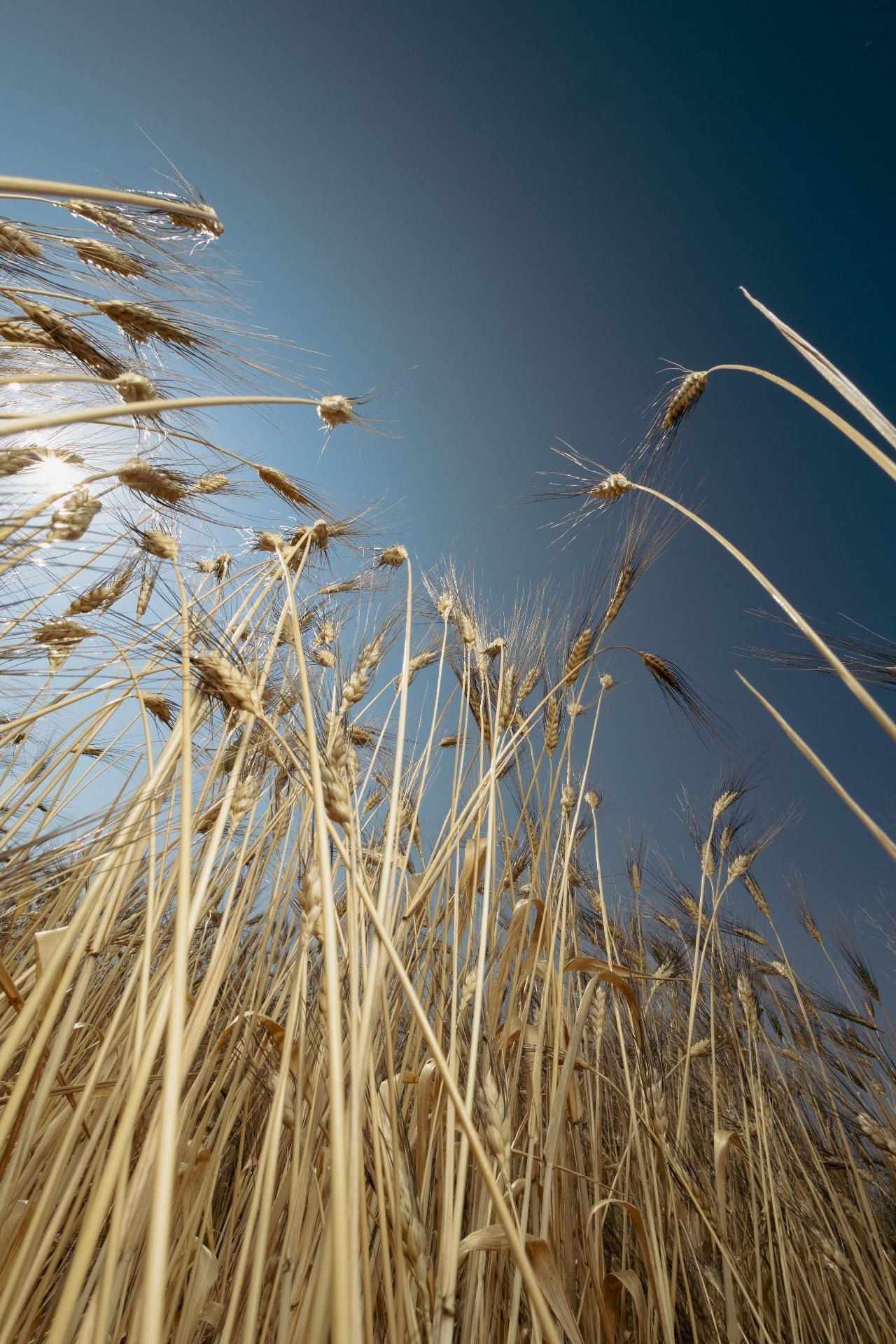
Due to their short life cycle, these plants are much smaller, averaging 60 cm in height compared to 180 cm for ancient wheat. While this short stature helps mitigate crop-related risks by making them less vulnerable to lodging from wind and rain, it also increases dependance on chemical herbicides, as the plants are vulnerable to weeds. In contrast, ancient wheat, being much taller, stays out of reach of weeds, allowing for herbicide-free farming.
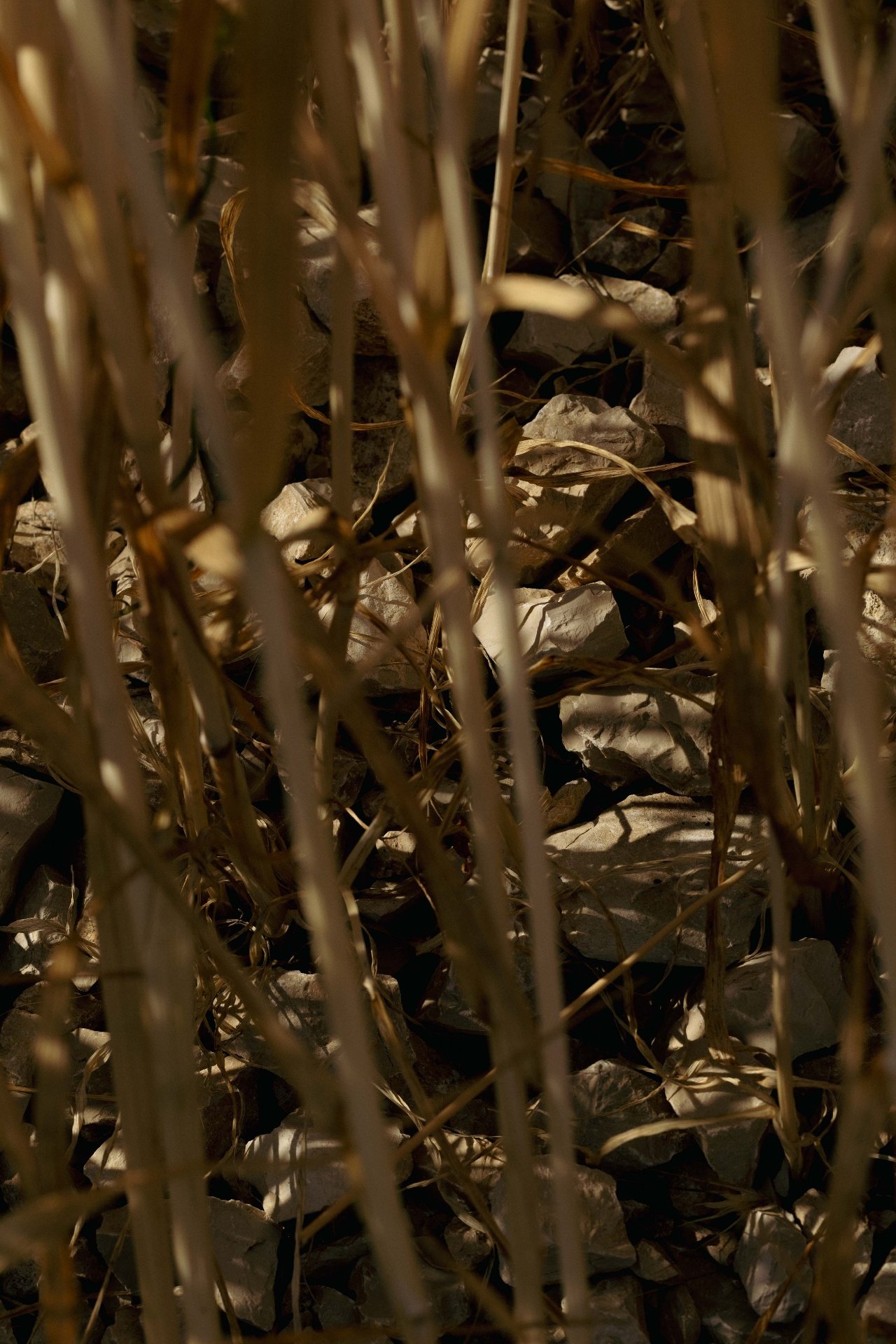
Additionally, a 60 cm plant has smaller roots than a 180 cm plant, which significantly limits its nutrient absorption from the soil. The larger roots of our ancient wheat are a key element, along with the limestone and clay soil of our fields, contributing to the exceptional properties of our ancient wheat.
PRODUCTIVITY
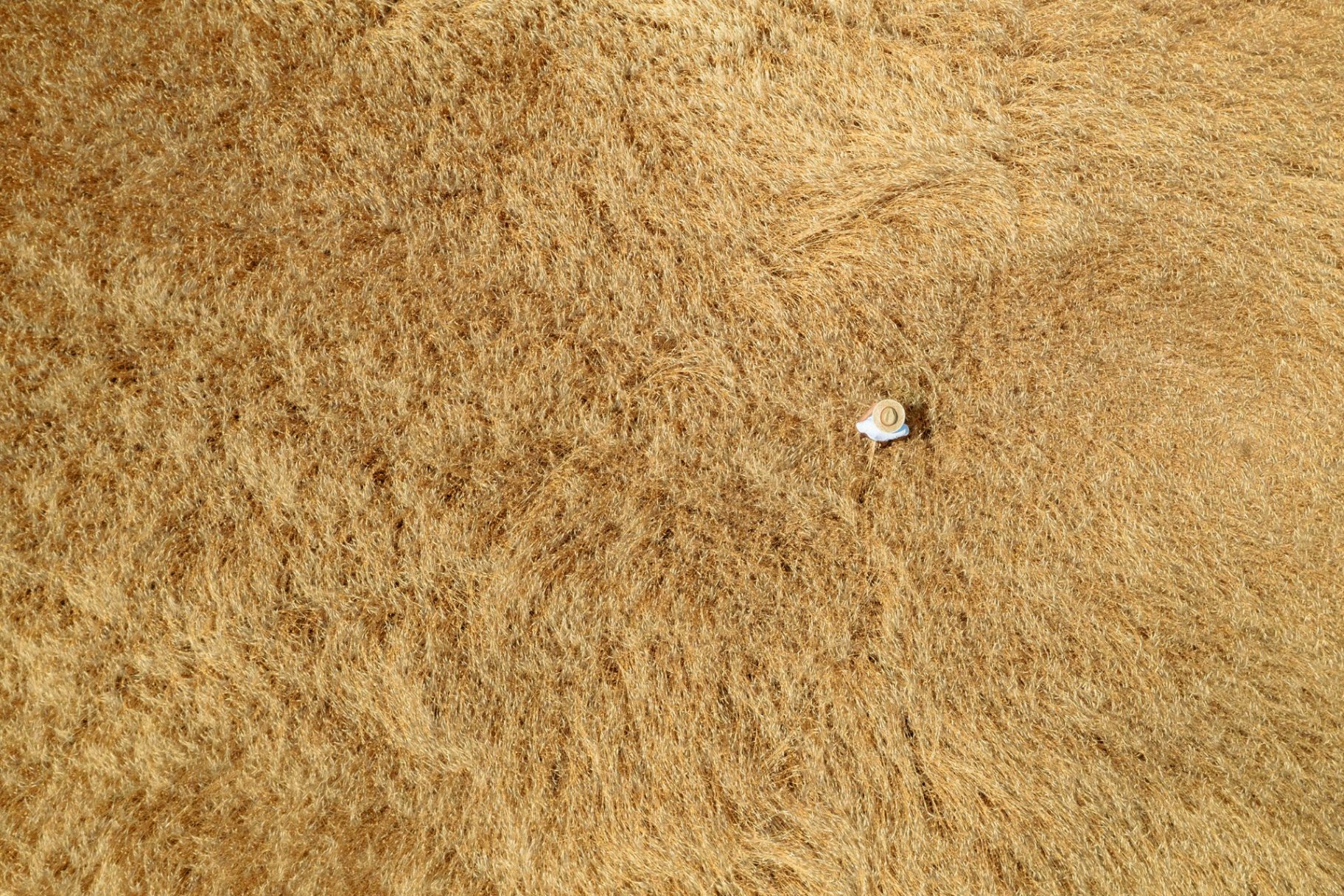
Modern wheat varieties, often combined with aggressive chemical treatments, are developed for intensive farming, achieving a yield of around 6-7 tons per hectare, compared to ancient wheat varieties that average only 1-1.5 tons per hectare. Ancient wheat has a lower yield per hectare due to its overall stature, height and larger root systems, which limit planting density per square meter and make it more vulnerable to lodging from winter winds and rains. While this may represent a loss for mass production, exposure to winter rains is part of nature’s plan and benefits the wheat and, therefore, our pasta.
MEDITERRANEAN BALANCE
Ancient wheat features a different gluten structure that is lighter and more digestible. It strikes an exceptional balance by providing enough strength in the gluten to support a generous protein intake while avoiding the heaviness that can lead to digestive discomfort for those who are sensitive (not intolerant) to gluten. Ancient wheat fully embodies the beauty of the Mediterranean natural equilibrium of taste and health.
Ancient wheat varieties offer a diverse spectrum of flavors, each a true expression of the terroir in which they are grown. Their taste is rich and complex, with nuances ranging from nutty and earthy to sweet and floral. These natural variations highlight the authenticity of ancient wheat, transforming it from a simple ingredient into a gourmet experience that embodies both tradition and excellence.
TODAY
The consolidation of global seed suppliers, the expansion of international wheat trade, the demand for high-yield, fast-growing crops, the growing dependency of fields on chemical inputs from major corporations, and the food industry’s preference for standardized, high-gluten wheat for consistent dough elasticity and shelf stability have all contributed to total crop standardization and a significant loss of biodiversity over the last 70 years.
Cultivating ancient wheat is an act of love and devotion for biodiversity and sustainability. It means respecting the rythm of our fields, cherishing our land, and preserving the harmony between us and the gifts the earth provides.